
When Fact Is Stranger Than Fiction: The Time Nicolas Cage Bought a Dinosaur Skull
A modest $276,000. You know, the sort of impulse purchase most people make when they stop at Target for laundry detergent.
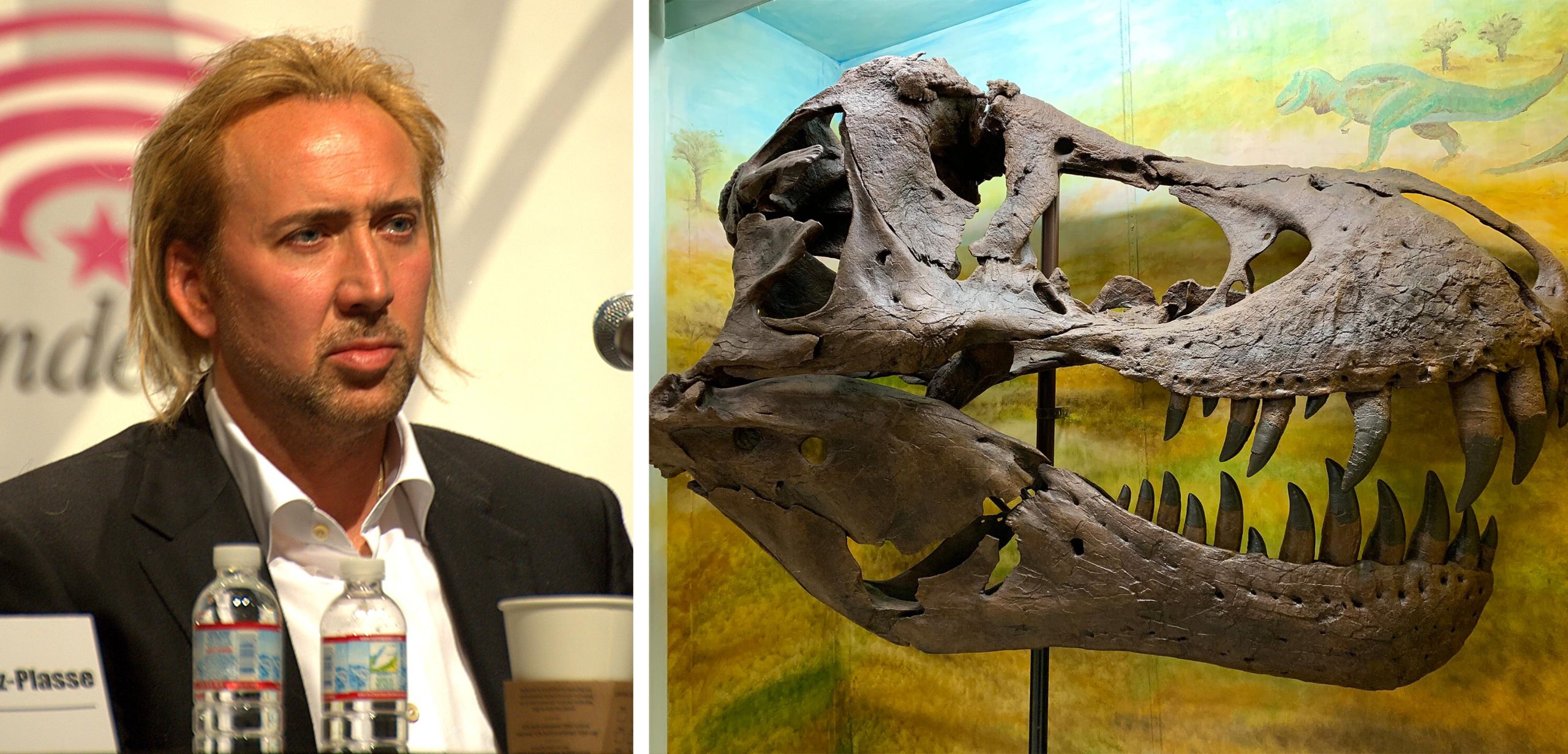
In the grand history of questionable celebrity purchases, this one belongs in a museum. Literally.
There are expensive hobbies, and then there’s buying a dinosaur skull for more than a quarter of a million dollars.
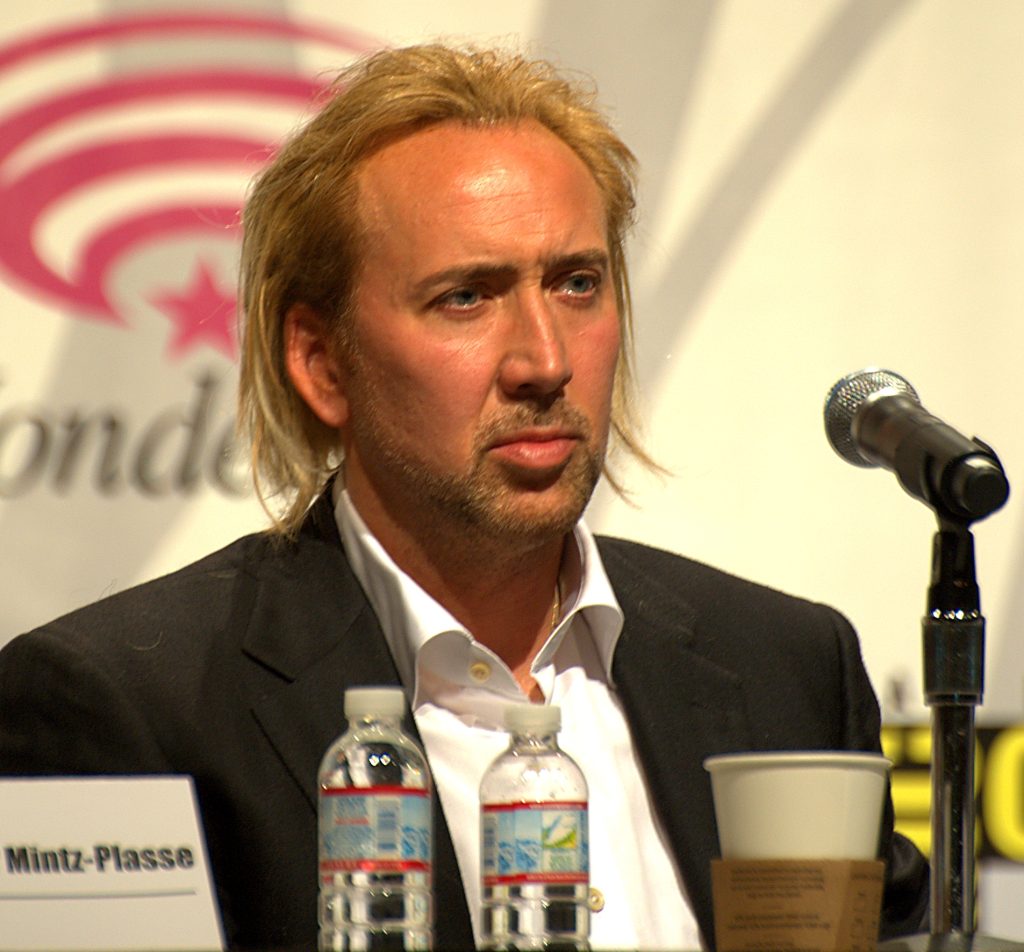
In 2007, actor Nicolas Cage purchased the skull of a Tarbosaurus bataar, a large predatory dinosaur related to the Tyrannosaurus rex.
The price?
A modest $276,000.
You know, the sort of impulse purchase most people make when they stop at Target for laundry detergent.
But the truly strange part of this story wasn’t the purchase.
It was what happened afterward.
A prehistoric problem
Cage bought the skull through a Beverly Hills gallery, receiving documentation that reportedly included a certificate of authenticity.
There was just one rather significant complication.
Federal authorities later determined that the skull had been illegally removed from Mongolia.
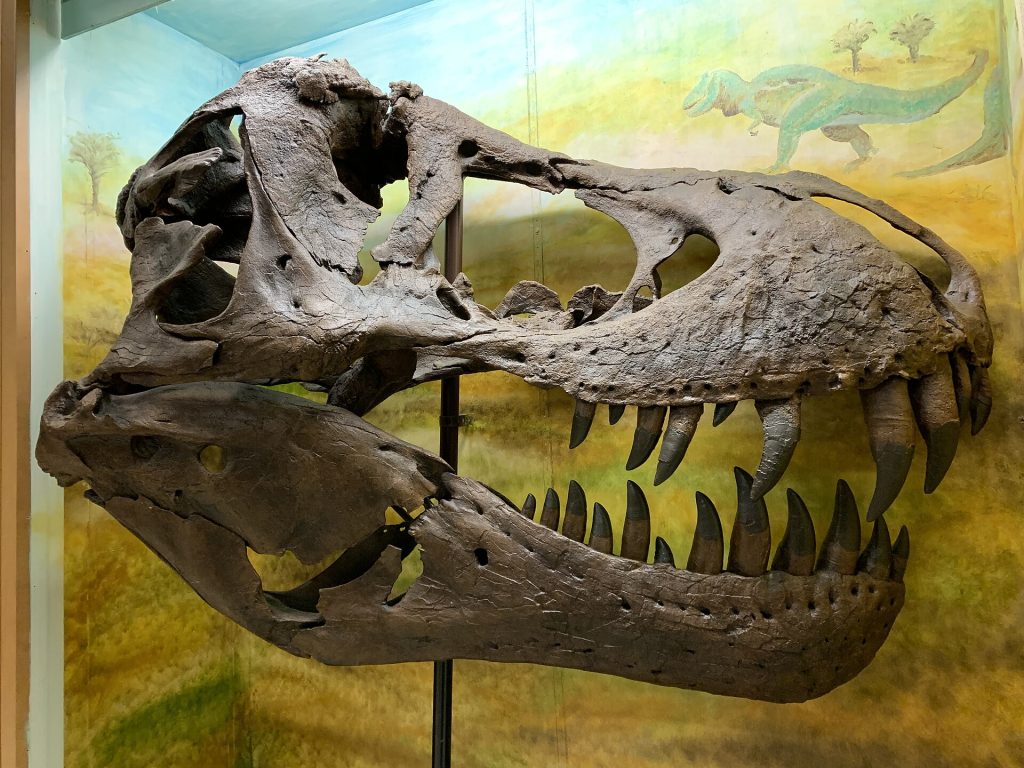
In 2014, the Department of Homeland Security contacted Cage’s representatives about its origins.
By December 2015, Cage had agreed to surrender the fossil so it could be returned to the Mongolian government.
According to contemporary reporting, the actor was not accused of knowingly participating in the illegal removal or trafficking of the fossil.
He had simply ended up with an extraordinarily expensive piece of prehistoric contraband.
It’s the sort of plot that sounds suspiciously like a Nicolas Cage movie.
Only this time, the dinosaur was real.
Why would anyone buy a dinosaur skull?
Collecting rare objects is hardly unusual among wealthy celebrities.
There are enormous markets for art, historical artifacts, luxury cars, rare books, and other objects whose prices seem determined by people with more money than available storage space.
But dinosaur fossils occupy a particularly complicated position.
They’re scientifically valuable, sometimes culturally significant, and potentially subject to laws governing ownership and export.
A fossil isn’t necessarily just another collectible. It may belong to the country from which it was excavated.
And the scientific information surrounding a fossil can be as important as the fossil itself.
That makes the private fossil trade considerably more complicated than purchasing an unusual decoration for your living room.
Even if the decoration has exceptionally large teeth.
The happiest possible ending for a very strange purchase
Cage ultimately cooperated with authorities and gave up the skull.
The incident became one of Hollywood’s more memorable stories about celebrity spending, but it also illustrated a serious issue: the international trade in fossils and cultural artifacts.
There is, admittedly, something wonderful about the absurdity of it all.
A famous actor bought a dinosaur skull.
The government came looking for it.
And the dinosaur went home.
Sometimes reality produces a story so improbable that even Hollywood would have difficulty selling the script.
Although, if anyone could make it work, we suspect Nicolas Cage would be interested.
This article is part of When Fact Is Stranger Than Fiction, penqu.in’s ongoing exploration of the most improbable true stories in entertainment.